How to Manage Your Monthly Expenses Effectively Future
Learn simple and practical ways to manage your monthly expenses, control spending, build better saving habits, and maintain a healthier financial future.
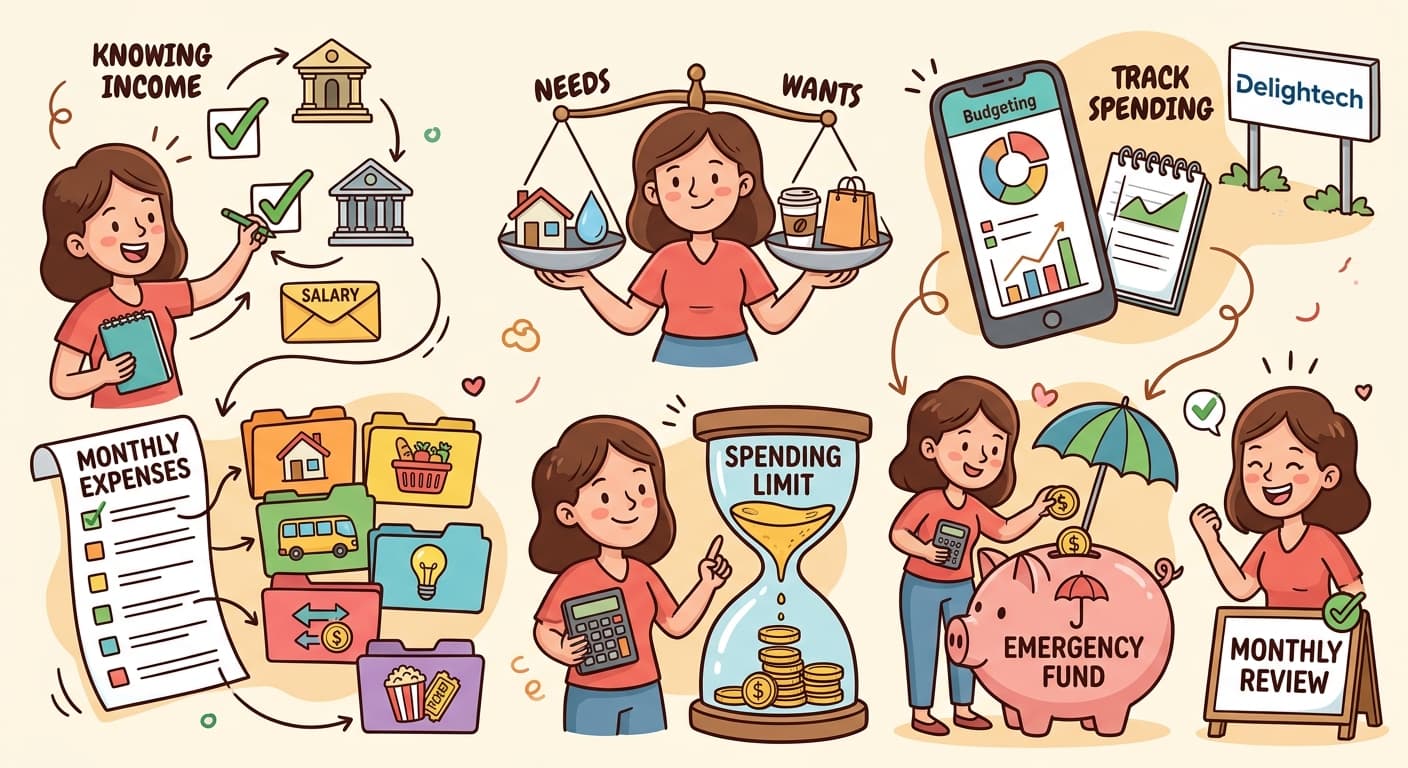
Managing monthly expenses effectively is an important part of maintaining good financial health. Without a clear plan, it can be easy to spend more than expected, struggle with bills, or have little money left for savings.
The good news is that managing expenses does not have to be complicated. With a few simple habits and regular planning, you can better understand where your money goes and make more confident financial decisions.
1. Know Your Monthly Income
Start by identifying your total monthly income. This includes your salary and any other regular sources of income.
Knowing how much money you have available each month gives you a clear starting point for planning your expenses.
2. List Your Monthly Expenses
Write down all your regular expenses, such as:
Rent or housing costs
Food and groceries
Transportation
Utilities and phone bills
Loan or debt payments
Education expenses
Entertainment
Savings
Separating your expenses into categories makes it easier to identify where your money is being spent.
3. Separate Needs from Wants
One useful way to control spending is to distinguish between needs and wants.
Needs are essential expenses, such as food, housing, transportation, and utilities. Wants are things you enjoy but may not need, such as eating out, entertainment, or unnecessary shopping.
This does not mean you need to stop spending on things you enjoy. Instead, understanding the difference helps you decide where you can reduce spending when necessary.
4. Set a Monthly Spending Limit
After understanding your income and expenses, set a reasonable spending limit for each category.
For example, you can decide how much to spend on food, transportation, entertainment, and other non-essential expenses. Having limits can help prevent small purchases from becoming a large expense by the end of the month.
5. Track Your Spending
Creating a budget is only the first step. You should also track your actual spending throughout the month.
You can use a notebook, spreadsheet, budgeting app, or another simple method that works for you.
Regularly checking your expenses can help you identify unnecessary spending and make adjustments before the month ends.
6. Prepare for Unexpected Expenses
Unexpected costs can happen at any time, such as repairs, emergencies, or other urgent needs.
Setting aside part of your income for an emergency fund can provide additional financial security. Even small and regular contributions can become useful over time.
7. Review Your Expenses Every Month
At the end of each month, take a few minutes to review your spending.
Ask yourself:
Did I stay within my budget?
Which expenses were higher than expected?
Where did I spend unnecessarily?
How much was I able to save?
What can I improve next month?
This simple review can help you develop better financial habits over time.
Conclusion
Managing monthly expenses effectively is about understanding your income, planning your spending, and making thoughtful financial decisions. By tracking expenses, separating needs from wants, setting spending limits, and preparing for unexpected costs, you can build stronger financial habits and work toward a more stable financial future.
Delightech can help you access financial services and solutions designed to support better financial management and help you take greater control of your financial journey. Learn more at Delightech: https://delightech.asia/en